
2 June 2022/
Author: Michelle Du Toit Sales Manager – Itec Integrate Get In Touch Unlocking true digital value throughcustomer-centric sales The telecommunications...

For many organisations, cybersecurity is still viewed as a technical function owned by IT teams. But that mindset no longer reflects reality. In a connected, always-on economy, cyber risk has become a leadership issue with direct implications for reputation, trust and business continuity.
High-profile cyber incidents in South Africa have demonstrated that breaches do not simply disrupt systems. They disrupt operations, customer confidence and organisational credibility. For executives, the question is no longer if an organisation will be targeted, but when. How prepared are you to detect threats, respond effectively and recover quickly?
Modern leadership requires a shift from reactive defence to proactive resilience.
This is where Managed Detection and Response (MDR) has become increasingly relevant. Many businesses have security tools in place, but tools alone do not guarantee protection. Threats move quickly, often outside standard working hours, and internal teams may not always have the time or specialist resources to monitor, investigate and respond continuously. MDR helps bridge that gap.
Effective cybersecurity starts with recognising that people, processes and technology must work together. While technical controls remain essential, they are insufficient on their own. User behaviour is still one of the most common entry points for cyberattacks, making awareness and training critical parts of any security strategy.
Leaders play a vital role in setting the tone. When cybersecurity is embedded into operational strategy rather than treated as an afterthought, it becomes part of how the organisation functions. This includes aligning security planning with disaster recovery, business continuity and regulatory compliance frameworks.
Strong cybersecurity is not defined by the absence of incidents, but by the speed and effectiveness of response. Organisations that invest in preparation, testing and incident response planning are far better positioned to limit impact and restore operations quickly.
Integrated security visibility further empowers leadership. Real-time dashboards, consolidated reporting and expert insight give decision-makers clearer oversight, enabling informed action during high-pressure situations. This helps transform cybersecurity from a cost centre into a strategic enabler that supports sustainable growth.
Ultimately, cybersecurity leadership is about stewardship. Protecting customer data, safeguarding employee trust and ensuring operational resilience are responsibilities that sit at the executive level.
In a digital-first world, leaders who treat cybersecurity as a core business function, and who strengthen that function with proactive solutions such as MDR, are the ones best equipped to navigate uncertainty and protect long-term value.

Written by: Reza Joseph, ICT Product Manager – Itec Integrate
Author: Michelle Du Toit Sales Manager – Itec Integrate Get In Touch Unlocking true digital value throughcustomer-centric sales The telecommunications...
Author: Reza Joseph ICT Product Manager – Itec integrate Get In Touch Integrating the entire digital communication environment for SA...
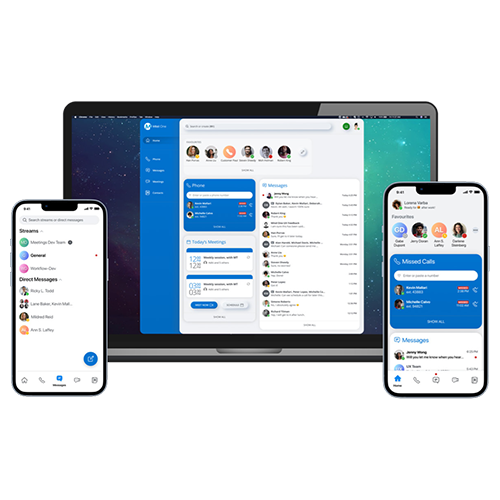
Author: Hannes Van Der Merwe Group Product Manager – ItecGroup South Africa Get In Touch Embracing UC to drive employee...



We are a proud member of ISPA and uphold the ISPA code of conduct
We are a proud member of ISPA and uphold the ISPA code of conduct